
The Surface Is Only
As Strong As
What Protects It.
Protective coating systems for concrete, steel, floors and architectural surfaces — selected around the substrate, environment and performance required.
What Is Your Surface Fighting Against?
The same coating is not suitable for every surface or environment. We look first at what the substrate needs to withstand, then determine the coating direction around those conditions.
One Surface.
Different Demands.
There is no universal coating for every substrate. System selection should consider preparation, service conditions, required protection and finished appearance.
Clear Protective Coatings
Protective systems for compatible surfaces where added performance is required while retaining the underlying appearance.
Concrete Protection
Protective systems for concrete floors, walls and exposed surfaces subjected to wear, staining, moisture and environmental exposure.
Metal & Corrosion Protection
Protective coating systems for suitable metal substrates where corrosion control and environmental resistance are required.
Epoxy & PU Flooring
Seamless coating systems for commercial and industrial floors requiring durability, cleanability and a controlled finished appearance.
Anti-Slip Coating Systems
Coating and surface-treatment options where wet conditions and pedestrian traction require additional consideration.
Stone & Decorative Protection
Protective options for selected natural stone, terrazzo, polished surfaces and architectural finishes where appearance remains important.
Anti-Graffiti Protection
Protective systems intended to improve resistance to staining and unwanted surface contamination while supporting easier maintenance.
Marine & Industrial Coatings
High-performance coating systems for steel and suitable substrates exposed to corrosion, weather, chemicals, abrasion and demanding service environments.
Microcement & Decorative Finishes
Seamless hand-applied decorative surface systems combining texture, colour and contemporary architectural character.
We Don't Start With the Product.
We start with the surface, the problem and the environment. Preparation and coating build-up are then developed around the actual performance requirement.
Assess the Surface
Identify substrate type, existing condition, contamination, defects and compatibility considerations.
Understand the Environment
Consider moisture, UV, chemicals, abrasion, traffic and operating conditions.
Prepare Correctly
Cleaning, grinding, blasting, repair or other preparation may be required before application.
Specify the Build-Up
Primer, intermediate layers, protective coats and finish are selected around project requirements.
Protection Can Be Technical — And Still Look Considered.
Epoxy, polyurethane, clear protection and microcement can form part of the finished architectural language of a space. Performance and appearance should therefore be considered together.
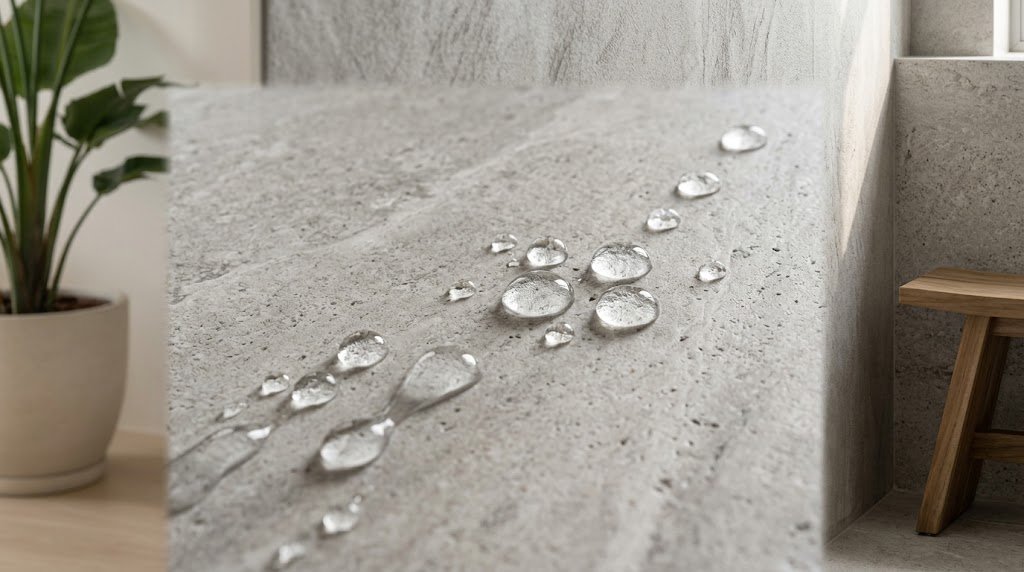
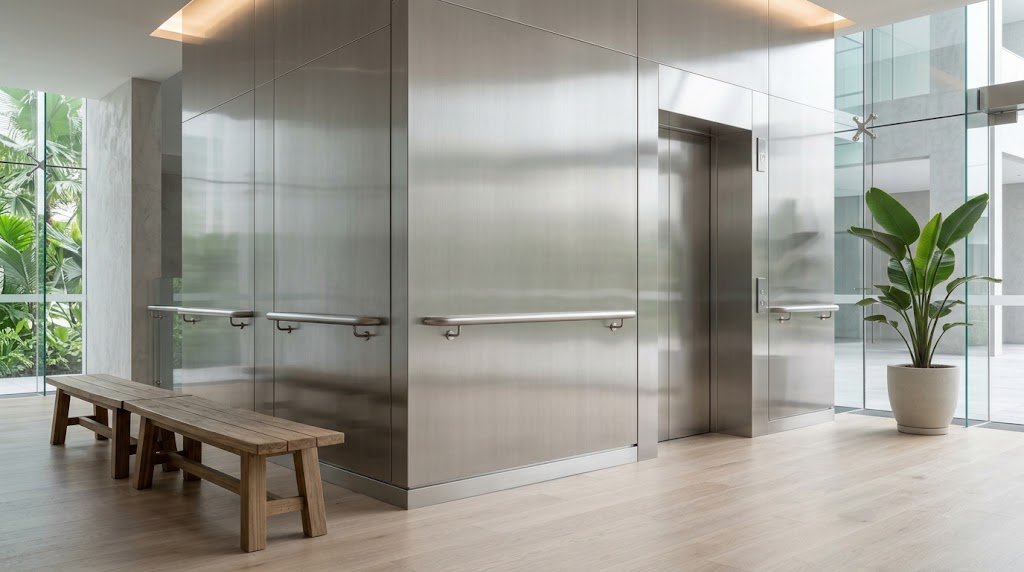
Protect the Material. Preserve the Character.
Selected clear systems can provide additional surface protection while retaining the appearance of compatible natural stone, architectural metal and finished surfaces.
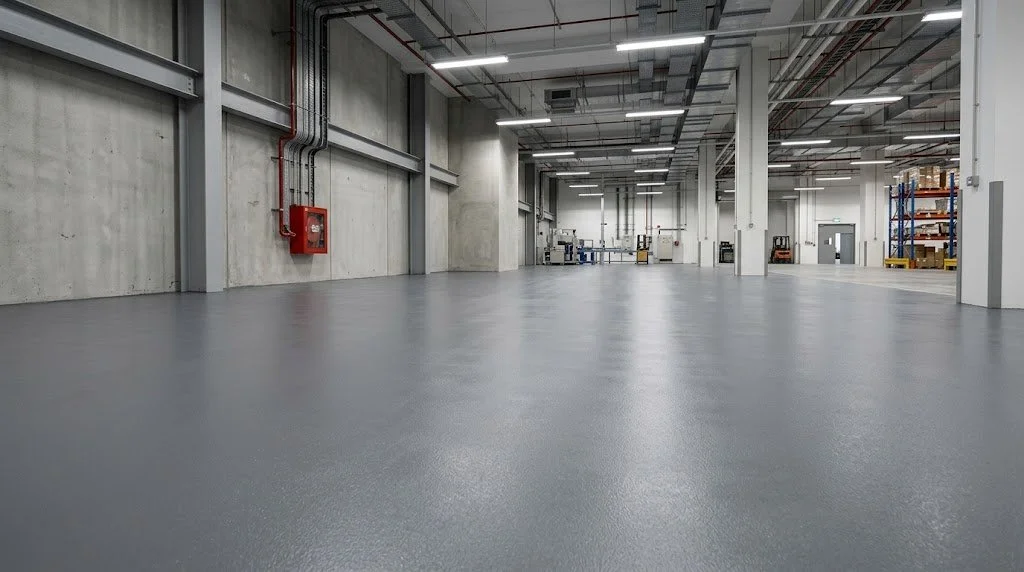
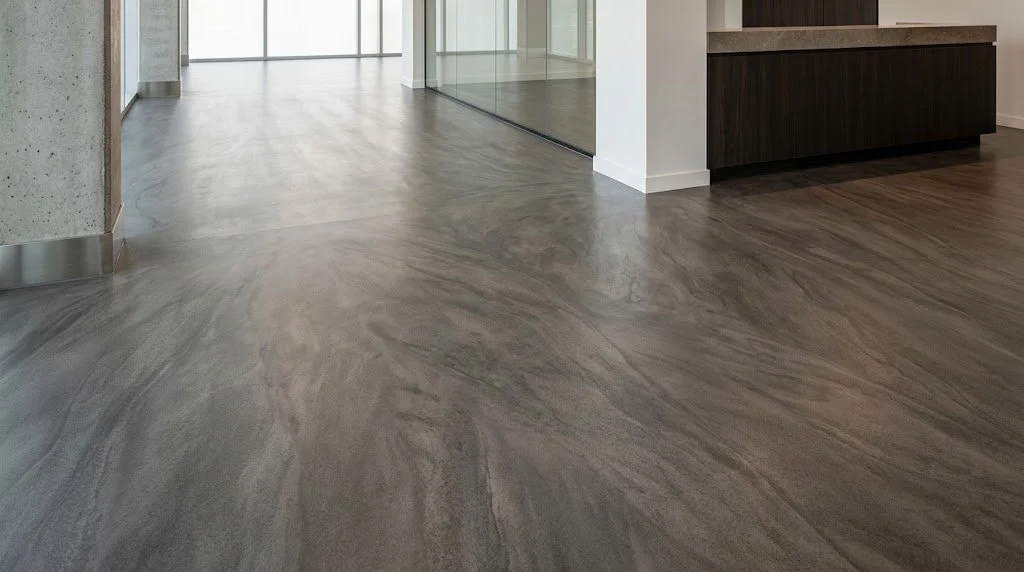
From Industrial Performance to Designed Finishes.
Epoxy flooring provides a seamless finished surface for suitable commercial and industrial environments, with system direction developed around traffic, cleaning, exposure and appearance requirements.
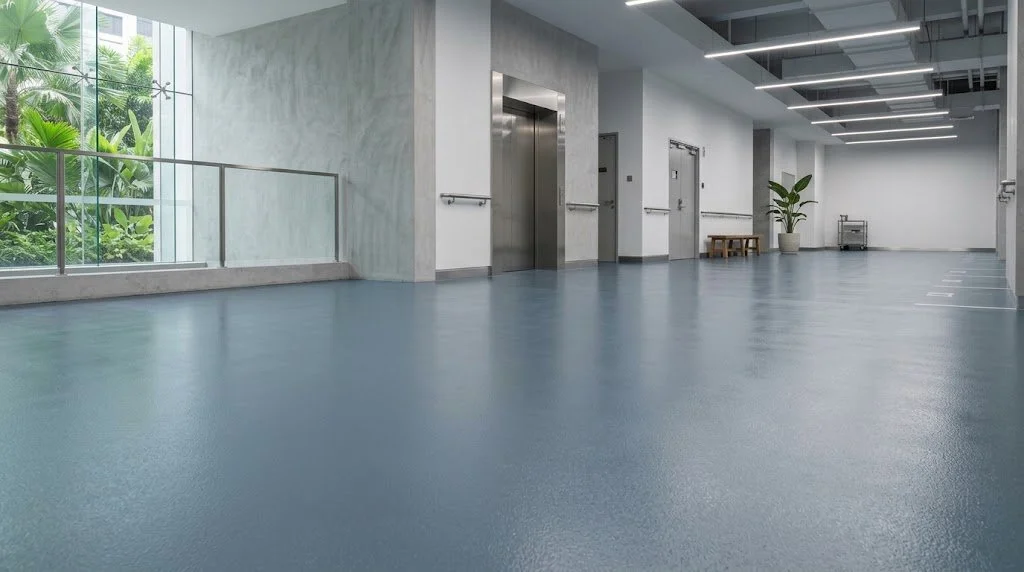
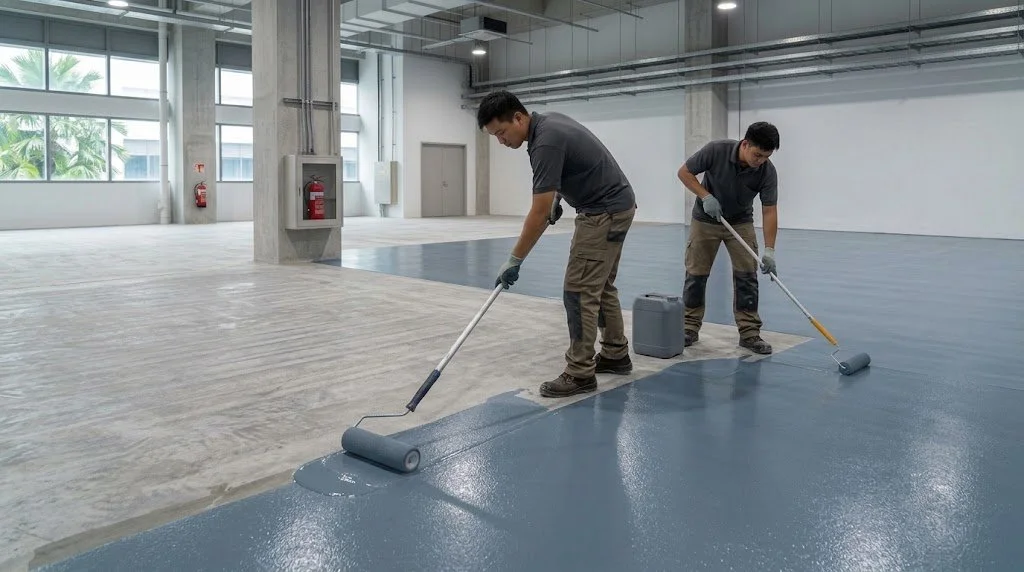
Performance With a Controlled Finished Appearance.
Polyurethane coating systems can form part of a protective flooring specification where durability, appearance and resistance appropriate to the operating environment need to be considered together.
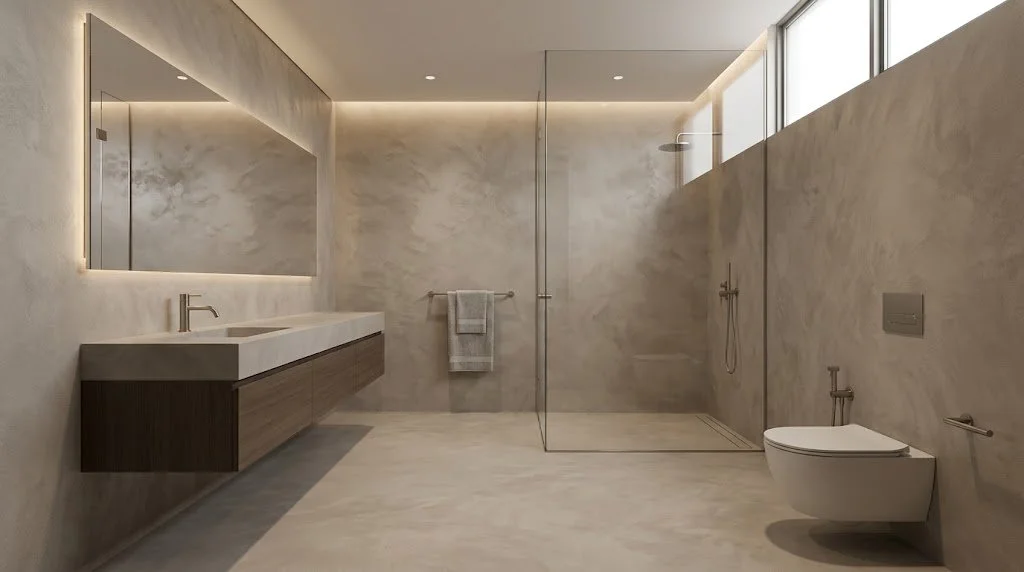
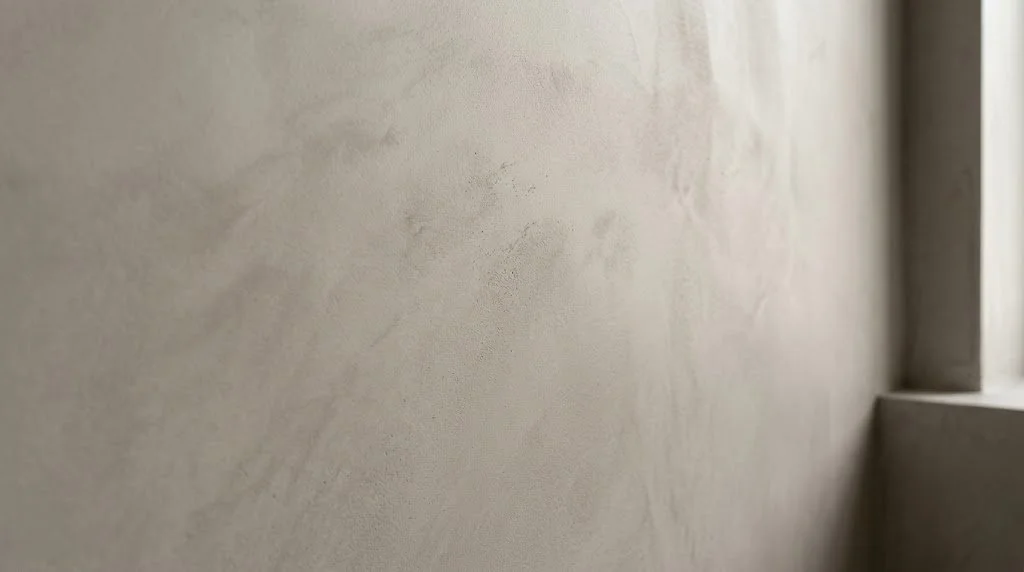
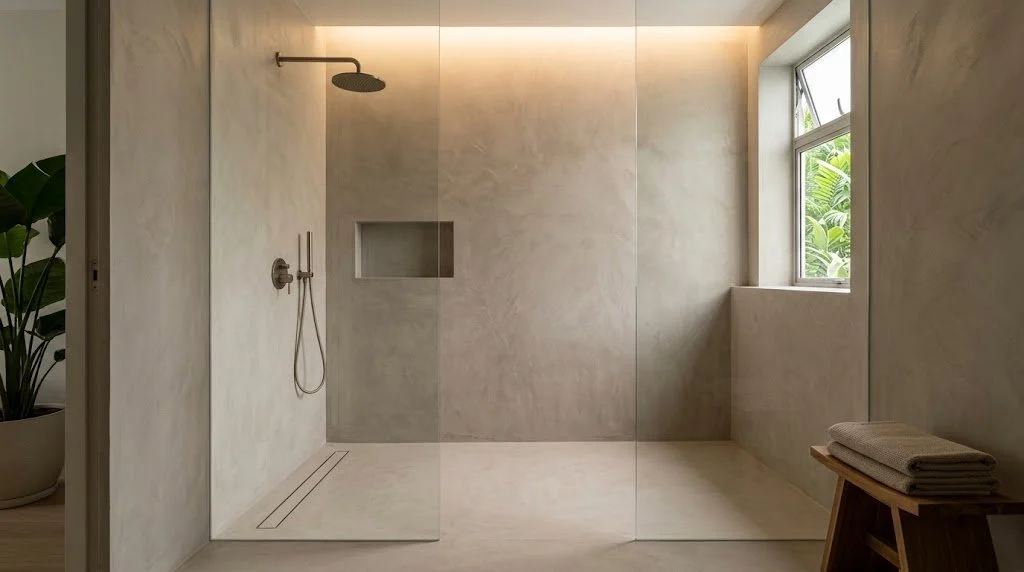
Seamless Surfaces. Handcrafted Character.
Microcement is a hand-applied decorative surface system used to create continuous concrete-inspired finishes across suitable floors, walls and architectural surfaces.
When Failure Isn't Just Cosmetic.
Marine and industrial coating systems require consideration of steel condition, surface preparation, corrosion risk, environmental exposure, chemical contact, abrasion and the required coating build-up.
Advenco can support suitable marine and industrial applications where preparation and coating selection must align with the operating environment and project specification.
Discuss Marine / Industrial Coating →Systems selected around corrosion risk, substrate condition and intended service environment.
Cleaning, mechanical preparation, blasting or other preparation may be required depending on specification.
Suitable assets may require protection against humidity, salt-laden environments, weather and aggressive conditions.
Abrasion, chemicals, maintenance cycles and operational exposure should inform coating build-up.
Protection Built Around the Surface.
Different substrates require different preparation and protection strategies. Final system selection remains subject to assessment of actual site conditions and project requirements.
| Surface | Typical Requirement | Possible System Direction |
|---|---|---|
| Concrete | Wear · Staining · Moisture · Exposure | Clear protection / Epoxy / PU / Protective coating |
| Steel & Metal | Corrosion · Weather · Contamination | Protective metal / Corrosion-control system |
| Marine / Industrial Steel | Corrosion · Coastal Exposure · Chemicals · Abrasion | Marine / Industrial protective coating |
| Natural Stone | Staining · Contamination · Appearance Preservation | Selected clear protective system |
| Terrazzo / Polished Surfaces | Wear · Staining · Maintenance | Clear protective finishing system |
| Commercial / Industrial Floors | Traffic · Abrasion · Cleaning · Chemicals | Epoxy / PU / Protective floor system |
| Wet Pedestrian Areas | Slip Risk · Water Exposure · Maintenance | Anti-slip coating / Surface treatment |
| Decorative Interior Surfaces | Appearance · Texture · Seamless Finish | Microcement / Decorative coating system |
Common Questions About Protective Coatings in Singapore.
Coating performance depends on substrate, preparation, exposure conditions and intended use. These answers provide a general starting point before a project-specific assessment.
What is a protective coating?
A protective coating is a surface-applied system intended to help protect a compatible substrate from service conditions such as wear, staining, moisture, weather exposure, contamination or corrosion. The appropriate system depends on the substrate, preparation requirements and operating environment.
What surfaces can protective coatings be applied to?
Depending on system compatibility and surface condition, protective coatings may be considered for concrete, steel and other compatible metals, natural stone, terrazzo, polished surfaces and commercial or industrial flooring.
What is the difference between epoxy and polyurethane flooring?
Epoxy and polyurethane are different coating technologies and may perform differently depending on the project. The final choice should be based on substrate, traffic, exposure, cleaning regime and required finish rather than material name alone.
Can a protective coating be clear?
Yes. Selected protective systems can be clear or visually unobtrusive so the underlying material remains visible. This may be useful for compatible natural stone, architectural metal and other finished surfaces.
Can protective coatings be applied to metal?
Yes, where the coating system is compatible with the metal and intended exposure. Metal specifications may need to consider corrosion risk, existing coatings, surface preparation, weather, chemicals, UV exposure and desired appearance.
Can microcement be used in bathrooms and wet areas?
Microcement systems can be considered for suitable bathroom and wet-area applications when the complete build-up is properly addressed, including substrate condition, preparation, waterproofing requirements, falls, drainage, application layers and protective finish.
How do I know which coating system is suitable for my project?
Start with the substrate and the conditions the finished surface must withstand. Useful information includes surface material, current condition, indoor or outdoor location, moisture exposure, traffic, chemicals, cleaning requirements and desired appearance.
What should be considered for marine and industrial protective coatings?
Marine and industrial coating specifications should consider substrate condition, corrosion, required surface preparation, environmental exposure, coastal conditions, chemicals, abrasion and the intended service environment of the coating system.
Does Advenco provide protective coating services for commercial and industrial projects in Singapore?
Yes. Advenco provides coating-system solutions for suitable commercial, industrial and selected marine applications in Singapore, including protective coatings, epoxy and polyurethane flooring, concrete and metal protection, anti-slip systems, corrosion-control systems and selected architectural surface finishes. Proposed systems remain subject to actual substrate, site conditions and project requirements.
Send us photos of the surface together with its location, current condition and intended use. This gives us a better starting point for recommending a suitable system direction.
Ask Advenco on WhatsApp →Don't Choose the Coating Before Understanding the Surface.
Send us a photo of the surface and tell us where it is located, what problem you're facing and what the finished surface needs to withstand. We'll use that information as the starting point for discussing an appropriate coating-system direction.