

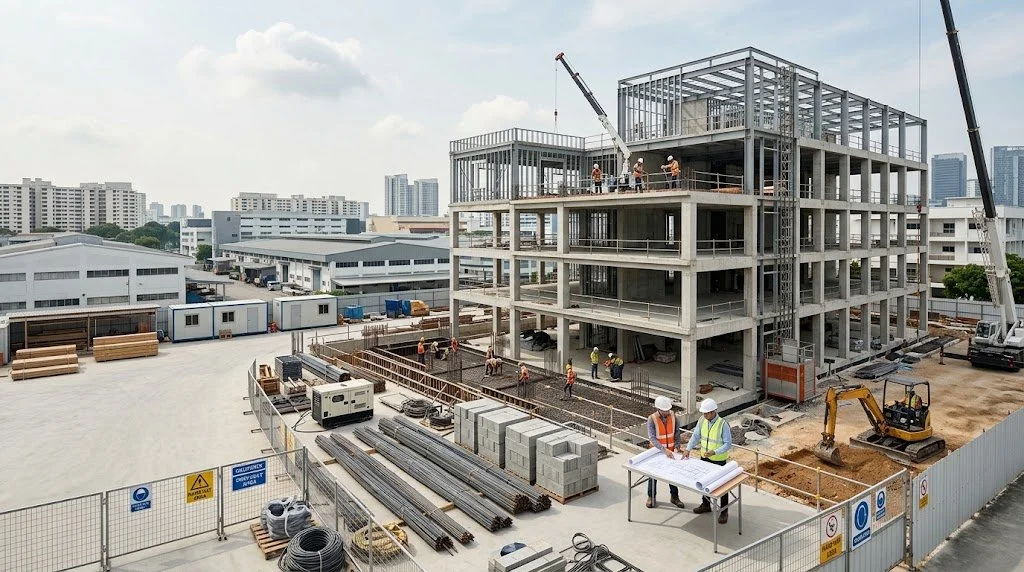
Commercial & Industrial
Construction Projects
Complex projects need more than individual trades.
Advenco coordinates construction, upgrading, structural, M&E and specialist works around the requirements of the overall project — helping clients manage scope interfaces, contractors, procurement and execution through a more coordinated delivery structure.
One Project.
Multiple Disciplines.
One Coordinated Approach.
Larger construction projects rarely involve one isolated scope. Structural works can affect finishes. M&E routes interact with ceilings and partitions. Waterproofing affects subsequent finishes. Coating performance depends on substrate preparation and exposure.
Advenco approaches these requirements as interconnected parts of the project rather than treating every work package independently.
The objective is simple: identify interfaces earlier, coordinate the right parties and reduce avoidable problems during execution.
Different Sites.
Different Constraints.
Commercial and industrial environments demand different approaches to access, sequencing, services, site coordination and project delivery.
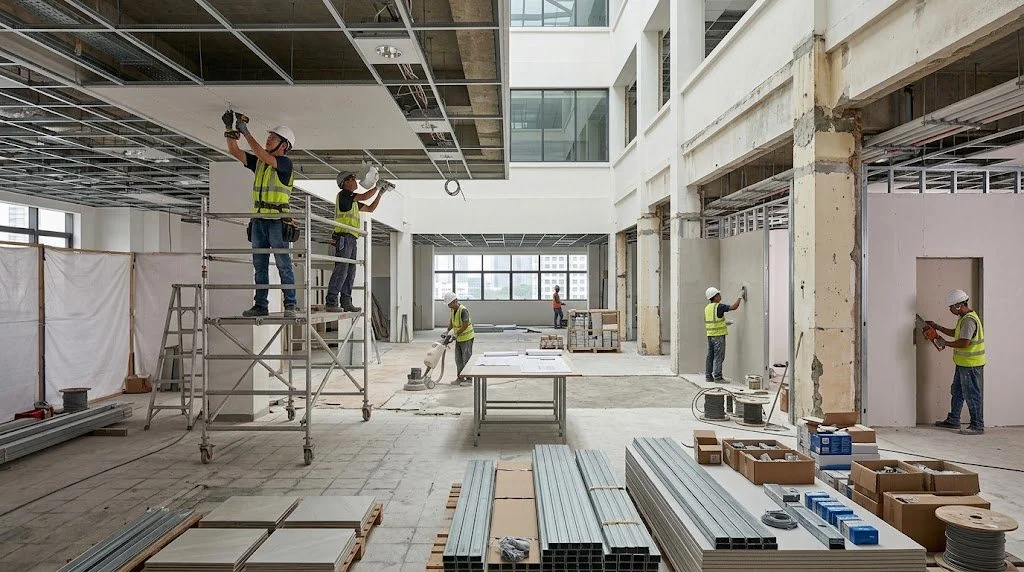
Alteration, refurbishment and upgrading where existing conditions and multiple trades must be coordinated carefully.
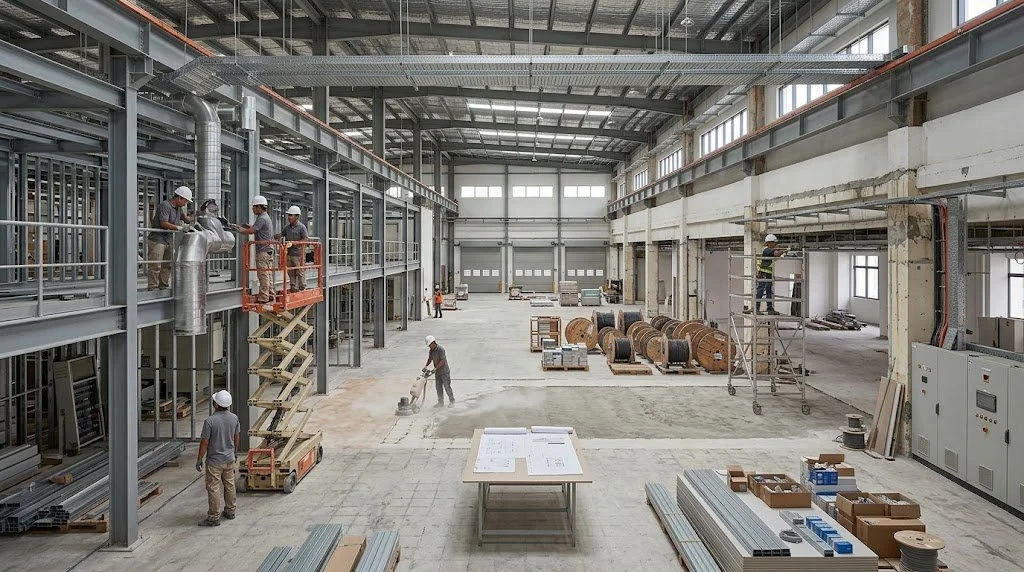
Industrial environments where construction, services, access, sequencing and operational requirements intersect.
Built Around the
Project Environment.
Project requirements differ according to how a property is used. Our approach considers the environment, operational constraints, interfaces and intended outcome before defining the delivery strategy.
Commercial
Offices, retail premises, hospitality environments, commercial buildings and common-property works.
Industrial
Factories, warehouses, workshops and industrial facilities requiring coordinated building and specialist works.
Asset Upgrading
Existing buildings and facilities requiring alteration, refurbishment, upgrading or targeted improvement works.
Operational Sites
Projects where access, phasing, existing operations and programme constraints must be considered during planning.
From Core Works to
Specialist Packages.
The exact project structure depends on scope, drawings, specifications, site conditions and applicable requirements.
Construction &
A&A Works
Construction, alteration, upgrading, refurbishment, modification and associated building works for suitable commercial and industrial projects.
Structural &
Steel Works
Structural steel, support structures, framing, fabrication, welding and associated metal packages subject to project design and technical requirements.
M&E &
Building Services
Coordination of applicable electrical, mechanical, ventilation, fire-related and associated building-service works with the wider construction programme.
Reinstatement &
Asset Upgrading
Reinstatement, refurbishment and upgrading of commercial, industrial, office, retail and other suitable facilities.
Specialist
Works
Integration of protective coatings, waterproofing, flooring, surface systems and other specialist packages where required by the project.
Project & Specialist
Coordination
Coordination between work packages, specialist contractors, procurement requirements, sequencing and project interfaces according to the agreed delivery scope.
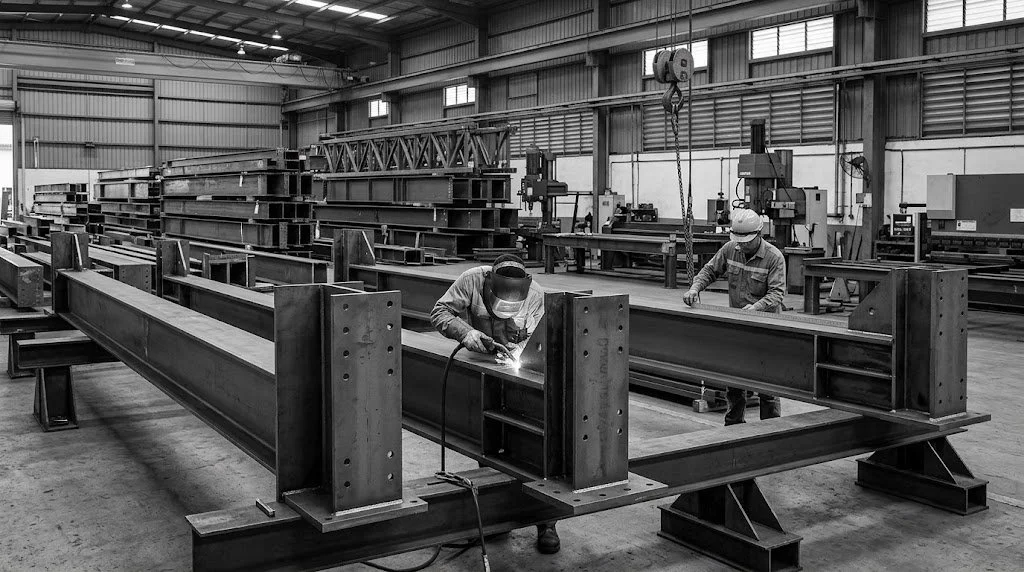
Fabrication Is Only One Part of the Package.
Structural steel work can involve design requirements, fabrication details, lifting considerations, installation, welding, interfaces and subsequent protective systems.
Coordination matters from fabrication through final site installation.
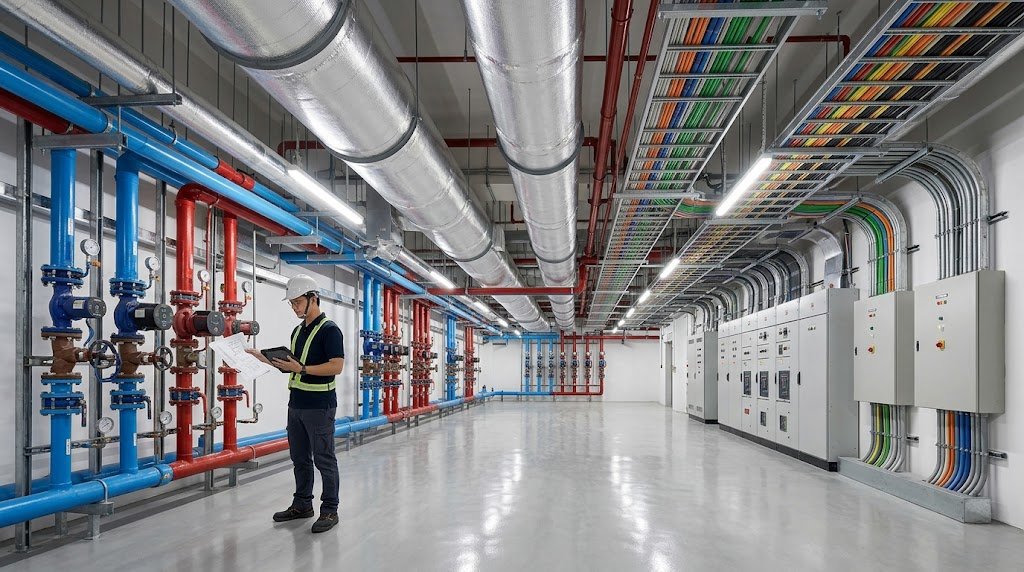
Services Must Fit the Building — and Each Other.
Electrical, mechanical, ventilation and other building services interact with structure, ceilings, access, architecture and the operational requirements of the property.
Successful delivery depends on coordinating these interfaces, not treating each service in isolation.
The Interface Is
Often Where
Projects Go Wrong.
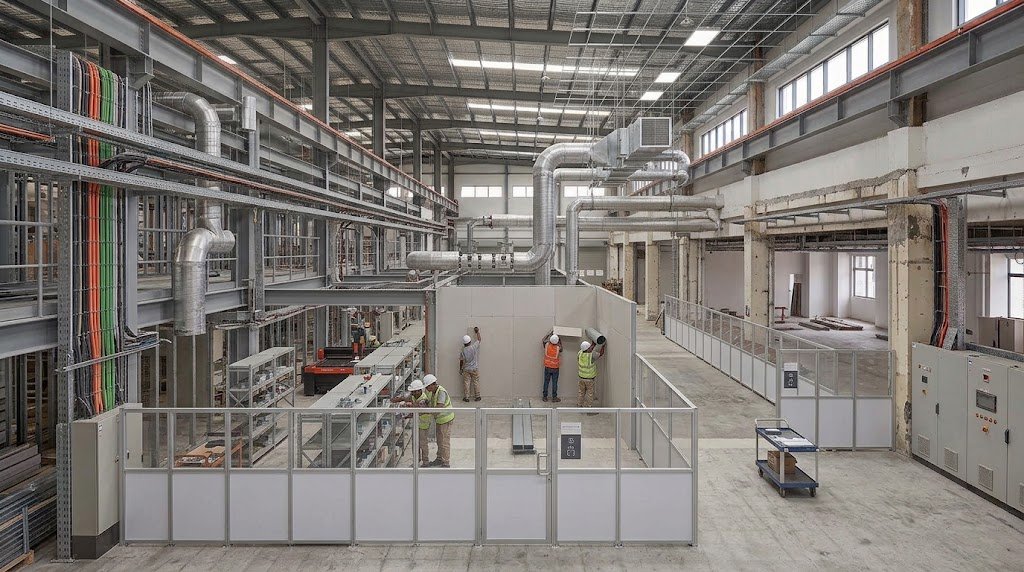
Fabrication, welding and installation can affect surface preparation and the final protective coating system.
Routing and service requirements must be coordinated with architectural and finishing works.
Waterproofing details, terminations and substrate conditions affect subsequent finishes and interfaces.
Opening up existing construction can reveal conditions that were not visible during initial planning.
Good project delivery is not simply about completing each individual trade. It is about understanding what happens between them.
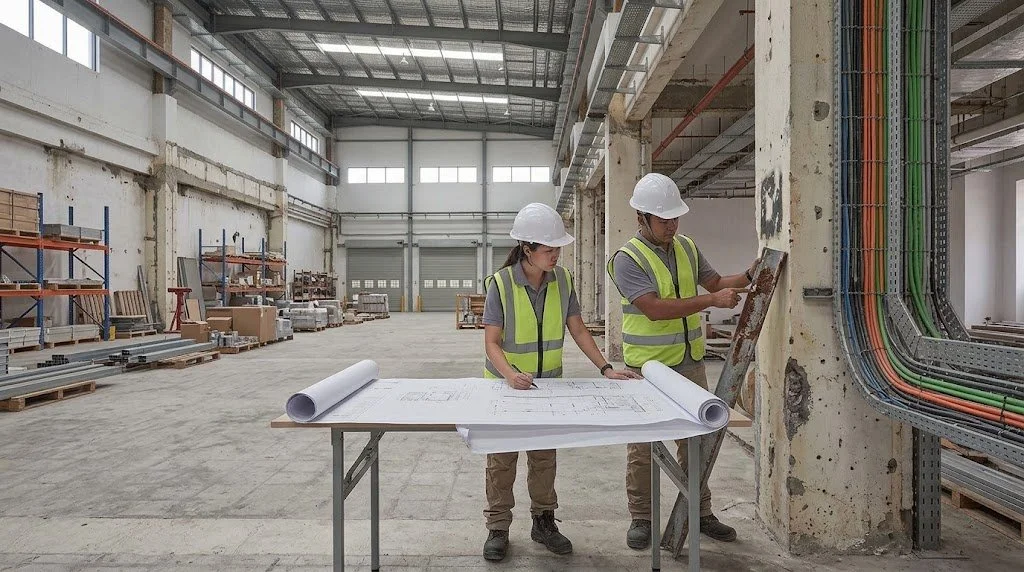
Understand the Project
Before Mobilisation.
Scope & Documentation
Review available drawings, specifications, scope information and project requirements relevant to the proposed works.
Site Conditions
Consider access, existing conditions, working environment and practical constraints that may affect execution.
Scope Interfaces
Identify where individual packages interact and where coordination is required before works proceed.
Procurement & Sequencing
Consider specialist requirements, material lead times, contractor interfaces and practical work sequencing.
The Right Expertise,
Where the Project Requires It.
Certain projects or work scopes may require appropriately qualified professionals, licensed persons, specialist contractors, testing providers, consultants or other competent parties.
Where applicable, these requirements can be incorporated into the project delivery structure according to the project scope and relevant requirements.
Specific professional appointments, statutory submissions, certifications, testing and approvals are subject to the requirements and agreed scope of each project.A Clearer Path From
Requirement to Completion.
Every project is different. The delivery structure is developed around its actual requirements rather than forcing every project into the same template.
Understand
Establish the project objectives, available information, scope and constraints.
Assess
Review site conditions, technical requirements and interfaces relevant to delivery.
Plan
Develop the work structure, sequencing, procurement and specialist coordination requirements.
Execute
Coordinate the agreed works and relevant parties through the execution stage.
Close Out
Complete applicable inspection, rectification and handover requirements according to the agreed scope.
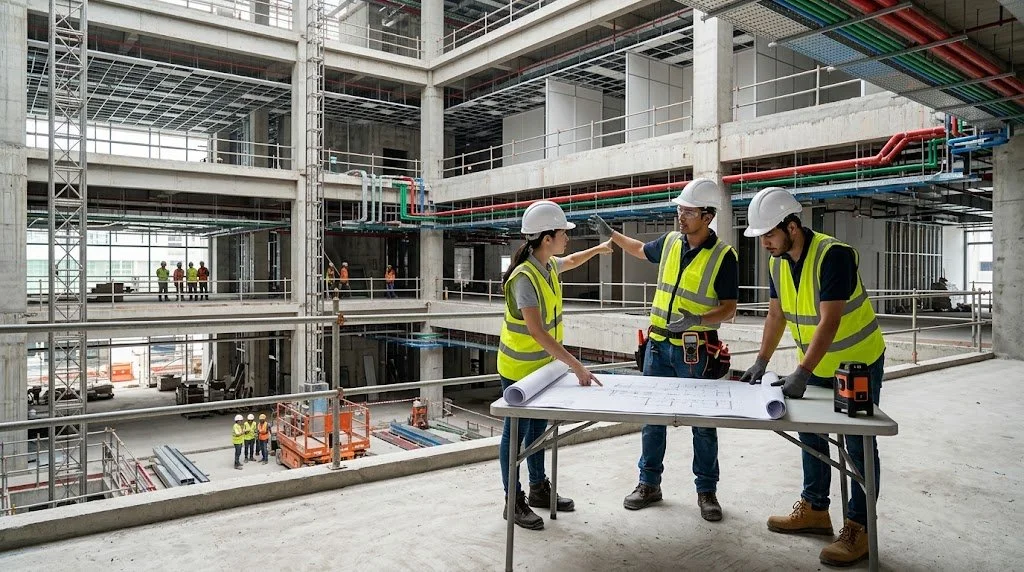
Multiple Trades.
One Project.
Coordination is not an additional layer added after problems appear. It should be part of how the project is planned and delivered from the beginning.
Construction Doesn't Always Happen in an Empty Building.
Commercial and industrial projects may need to be carried out around existing occupants, operations, access restrictions, working-hour limitations or other site constraints.
Explore Specialist Services.
Renovation &
Construction
Explore individual renovation, construction and execution capabilities.
Explore Service → 02Protective
Coating Systems
Protective, industrial and selected marine coating systems for suitable substrates and environments.
Explore Service → 03Water Seepage
& Waterproofing
Investigation and suitable rectification solutions for water seepage and waterproofing-related problems.
Explore Service → 04Project Management
& Consultancy
Client-side project planning, procurement, coordination and project-management support.
Explore Service →Before We Start.
Early information helps us understand whether the project requires construction execution, specialist works, consultancy—or a combination of services.
What types of commercial and industrial projects can Advenco support?
Depending on the project requirements and agreed scope, Advenco can support suitable commercial and industrial construction, alteration, upgrading, reinstatement, structural, M&E and specialist work packages.
Can Advenco coordinate multiple contractors or specialist trades?
Yes. Where included within the agreed project scope, Advenco can coordinate relevant work packages, specialist parties, procurement requirements and interfaces as part of the project delivery structure.
Can you work from our drawings or tender documents?
Available drawings, specifications, bills of quantities, tender information and other project documentation can be reviewed to understand the proposed scope and identify relevant requirements or clarifications.
What if the project requires engineers or other qualified professionals?
Where the works require appropriately qualified professionals, licensed persons, specialist contractors, testing providers or other competent parties, the required involvement can be considered according to the project requirements and agreed scope.
Can works be planned around an operating facility?
Where practical, project planning can consider access, phasing, permitted working periods, existing operations and other site constraints. The actual arrangement depends on the specific project and site requirements.
What information should I provide for an initial project review?
Useful information includes the project location, intended scope, drawings or specifications if available, approximate programme, site constraints and any known technical or operational requirements.
Tell Us What You're
Planning to Build.
Send us the available project information and our team can review the requirements before discussing the appropriate next step.
For a more useful initial discussion, include:
- Project type
- Project location
- Approximate scope
- Target commencement
- Drawings / specifications, if available